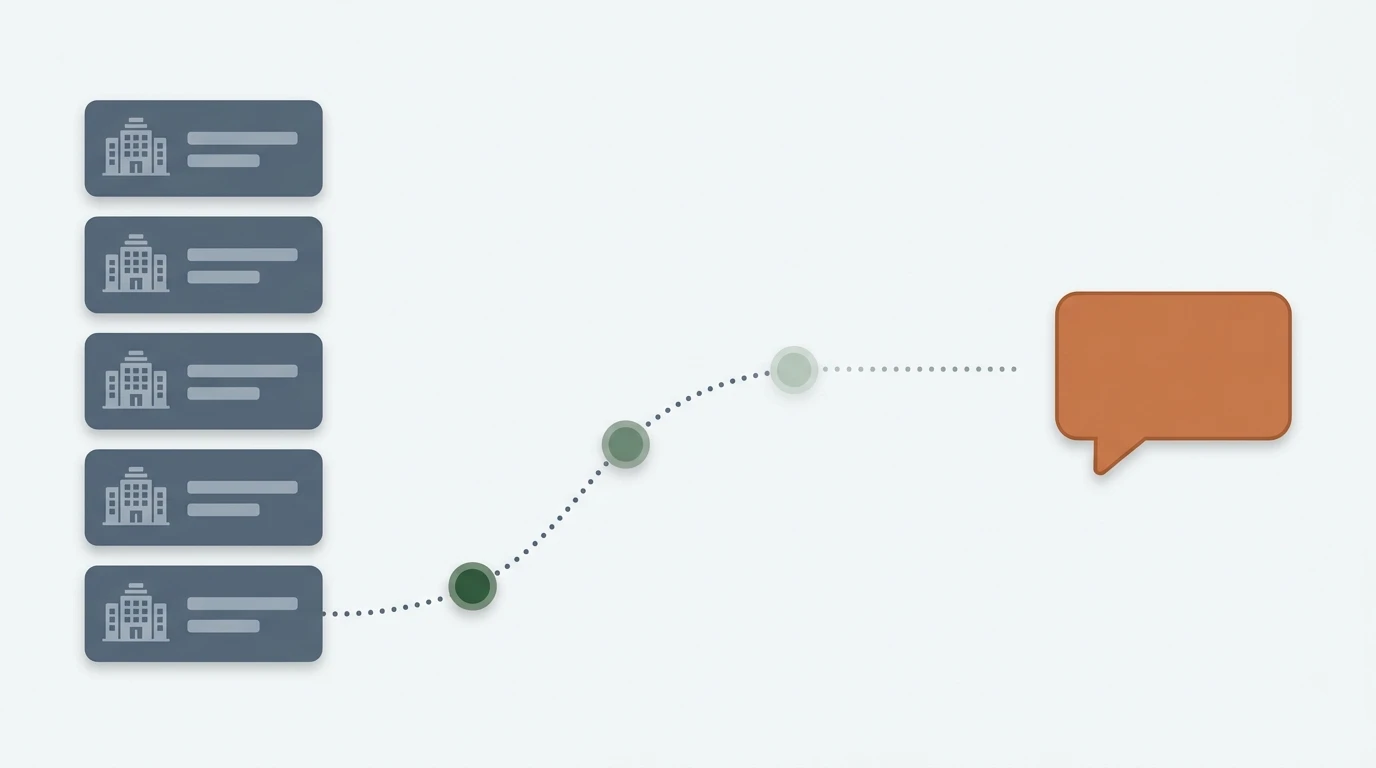
Carbon buyer data has never been better, and most teams holding a subscription still book meetings by hand. Ten tools compared on how much of the path from signal to conversation each one covers, with August 2026 pricing.
By volume the voluntary carbon market looks like a buyer's market. For the credits buyers actually want, it's a multi-year deficit with 3-4x premiums. That split breaks the old way sellers find buyers and rewards a new one: signals and targeting.
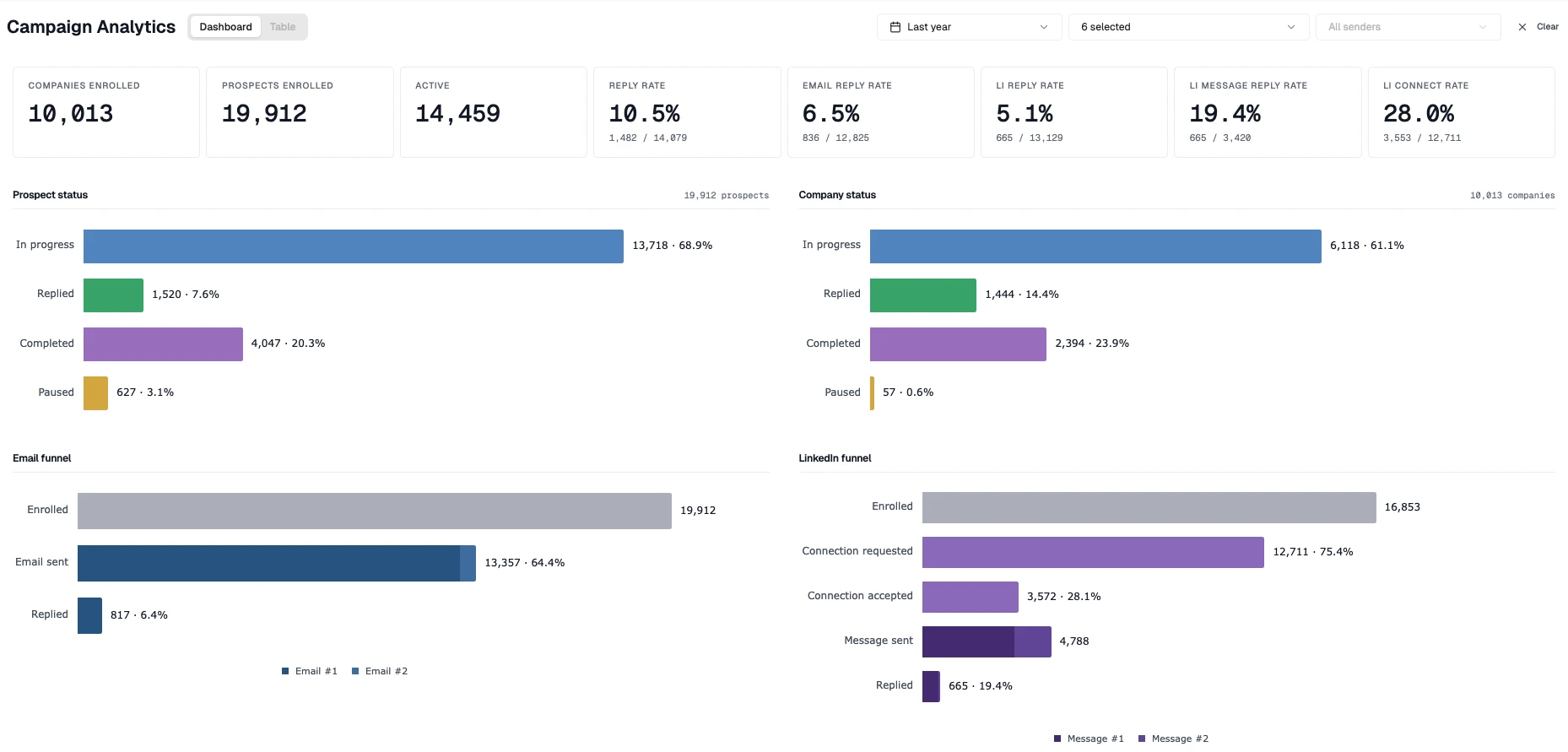
Customer-analytics leaders are 23x more likely to outperform on acquisition. Outbound teams are still asking 'did anyone reply this week?' The math on why instrumentation compounds, and what an honest analytics layer has to measure.
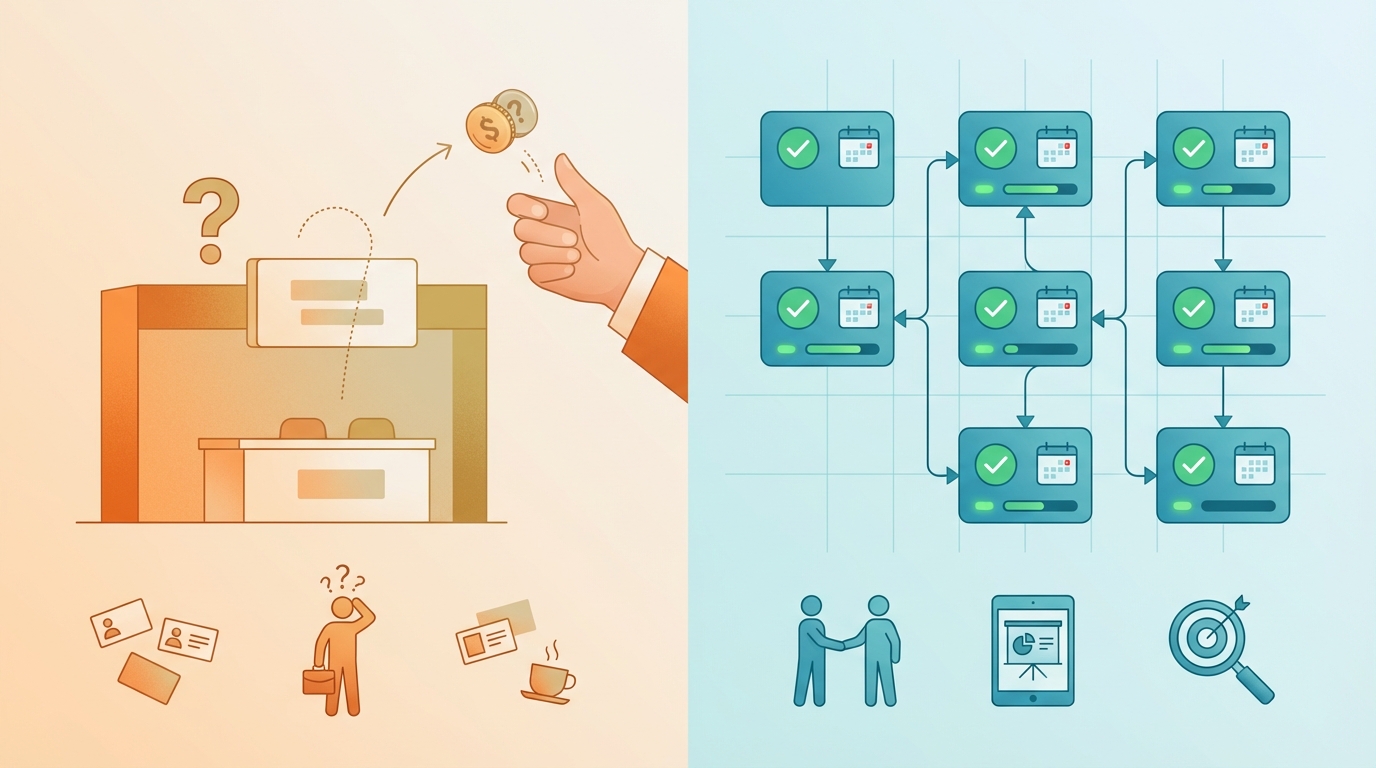
A mid-size conference booth runs $47K-$91K all-in. Yet 44% of exhibitors set no objectives and only 6% feel confident converting leads. The fix isn't better booth design. It's doing the work before the doors open.
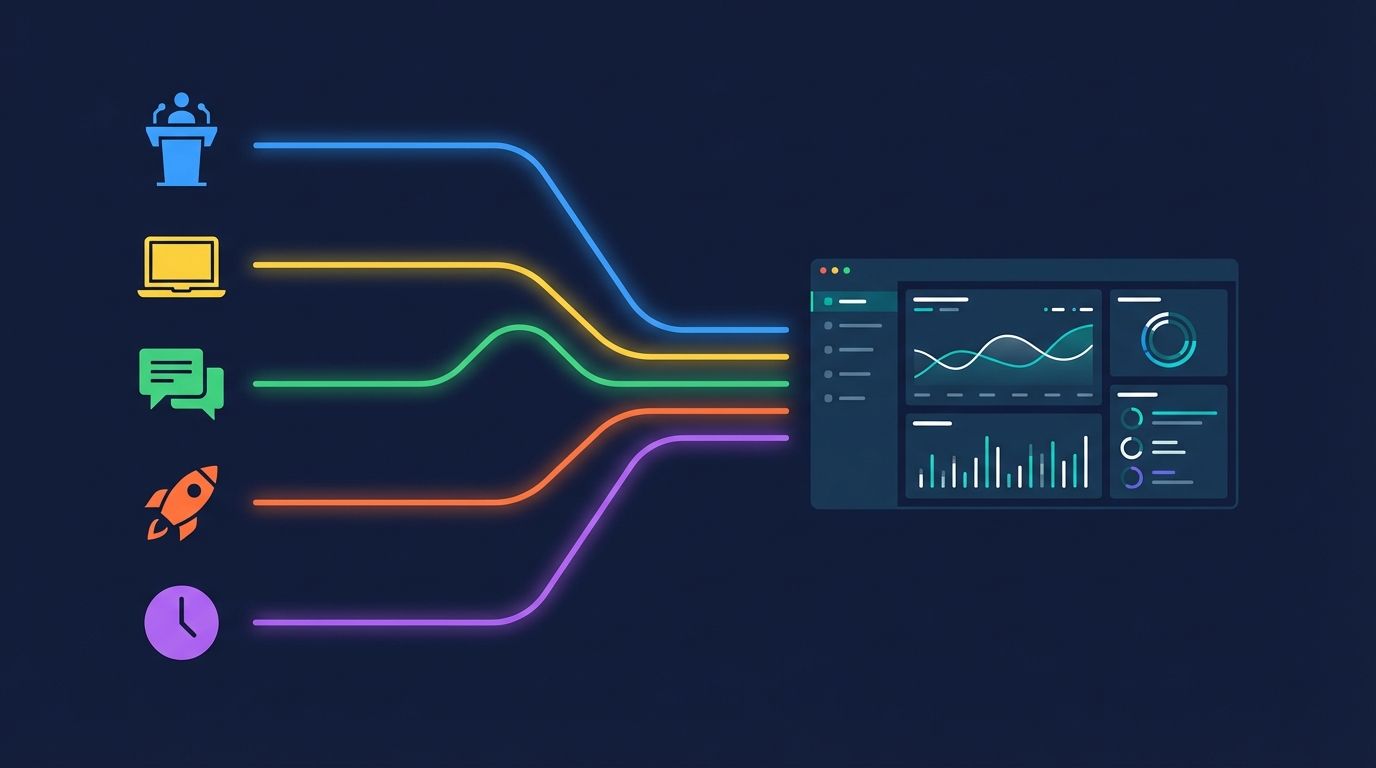
Cold outbound reply rates dropped 51% in three years. The teams still growing aren't replacing cold with warm. They're running five GTM motions simultaneously, and every tool on the market makes that nearly impossible.
Most AI limitations content stops at hallucinations. After months of writing prompts and evaluating outputs across hundreds of examples, we documented 10 systematic failure modes that quietly sabotage real work: positional bias that ignores the middle of your input, list selection defaults that favor first and last items, context rot that degrades output as prompts grow, persona prompting that drops accuracy by up to 30%, sycophancy that mirrors your thinking instead of challenging it, and self-assessment that confirms completed work even when tasks were silently skipped. Each limitation includes the research-backed mechanism and a practical mitigation.
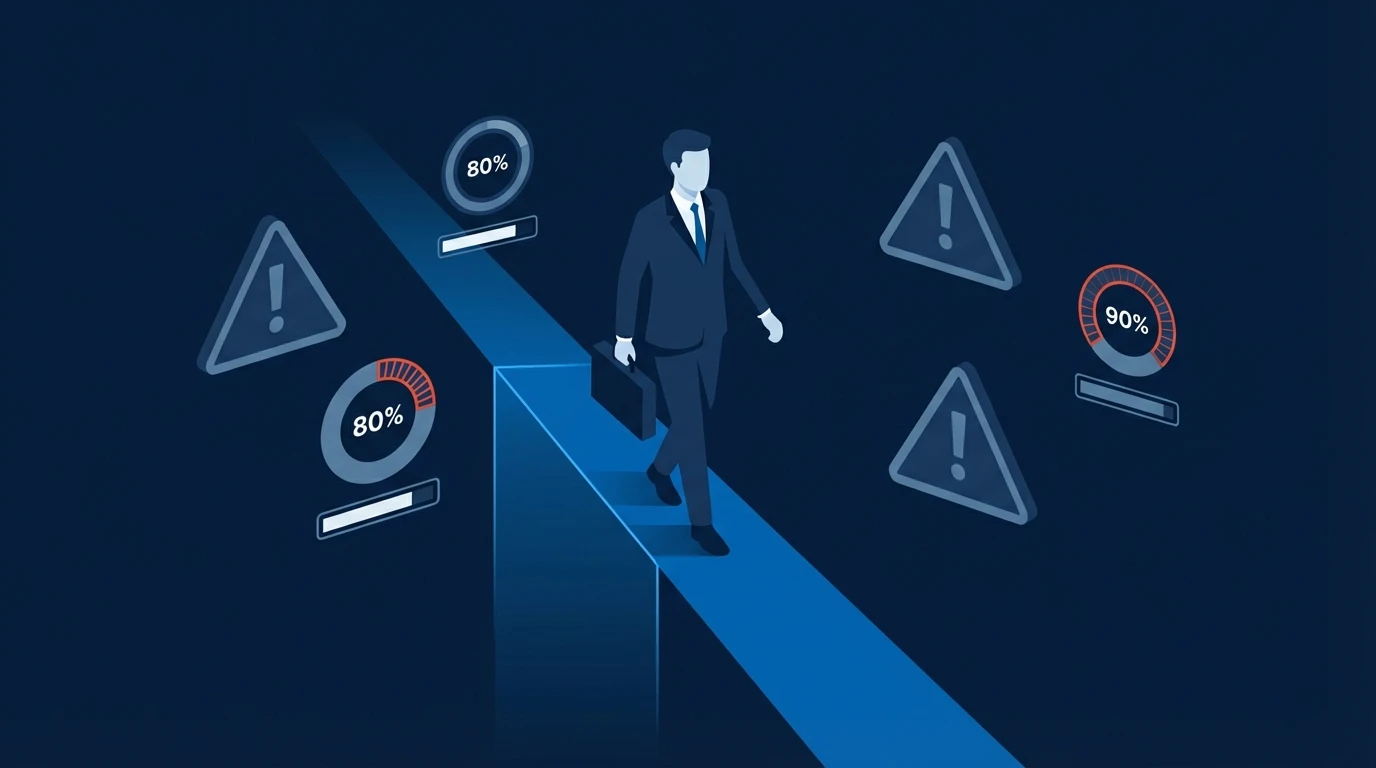
44% of salespeople give up after one follow-up, but 80% of deals need 5+ touches. The answer isn't more persistence—it's more channels. Here's the playbook.
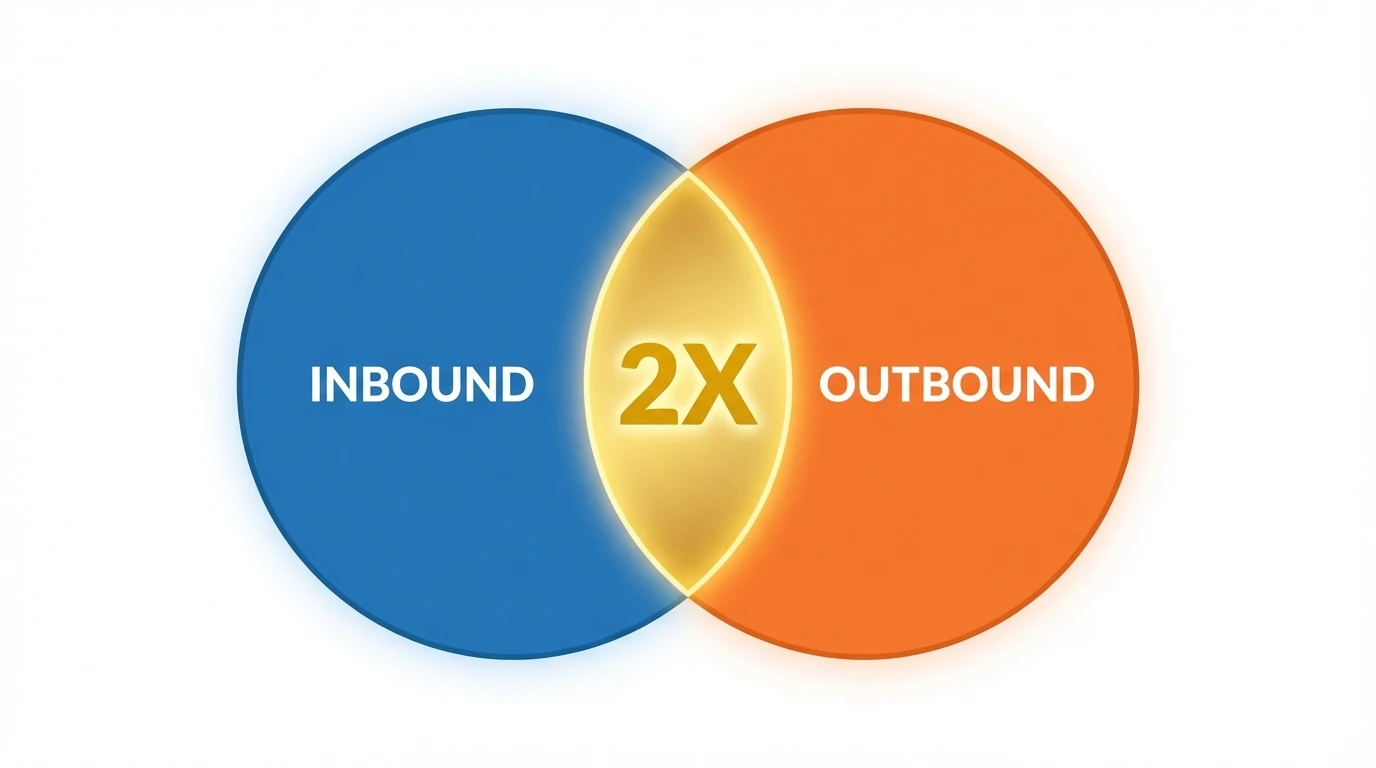
Companies integrating inbound and outbound see 2x revenue growth. The real question isn't which channel wins—it's whether you're executing either well enough to matter.
Everyone works the same prospect lists. The edge is finding future buyers through non-obvious signals: conference activity, job changes, LinkedIn engagement, and news announcements.
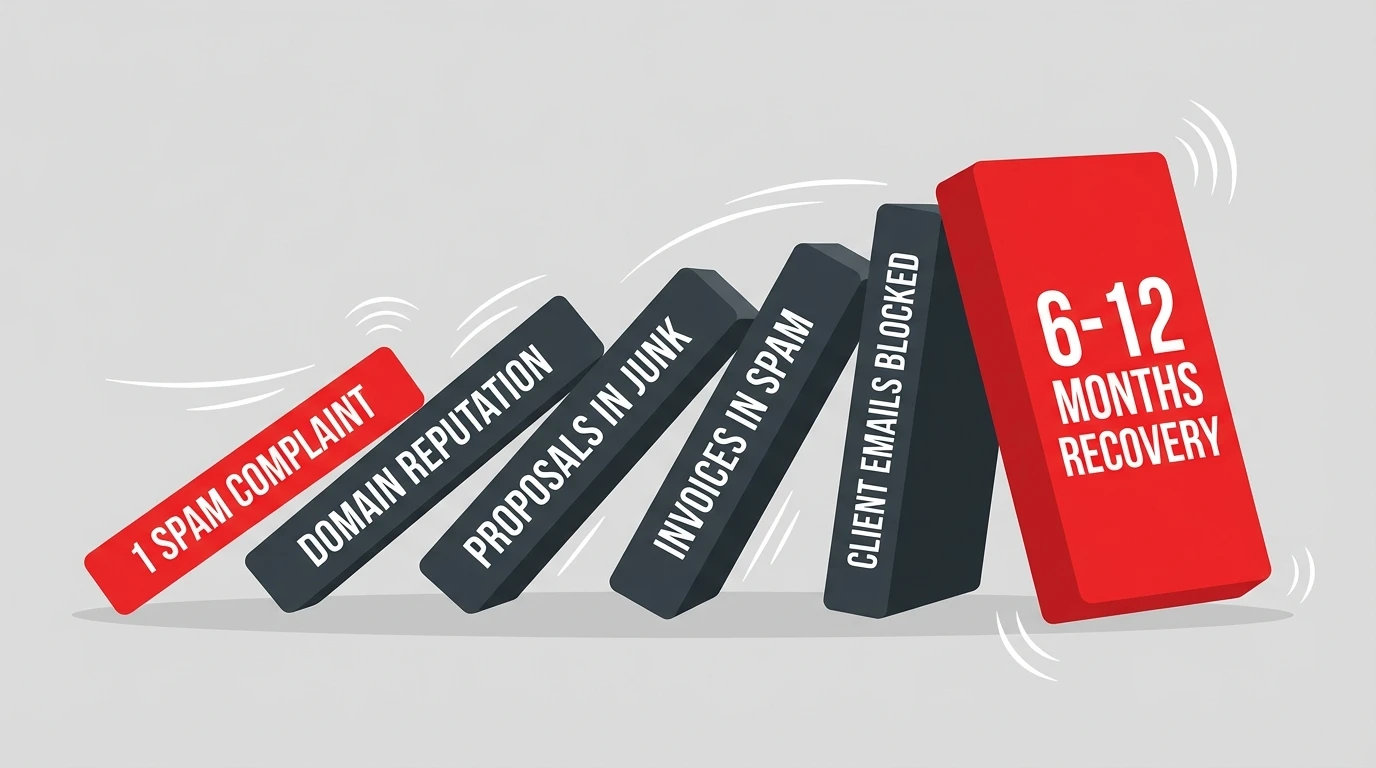
95% inbox placement or 50% in spam? The difference is infrastructure, not copy. Here's the exact domain setup, warmup protocol, and mailbox math the top outreach teams use.
The future of AI is already here. It's just not evenly distributed. Tech companies are hitting productivity numbers nobody predicted, while 95% of enterprise AI pilots at traditional companies deliver zero measurable P&L impact, according to MIT's 2025 GenAI Divide study. This gap is both a crisis and an opportunity.
AI-generated 'slop'—low-quality content prioritizing speed over substance—can be identified through 11 reliable detection markers spanning linguistic patterns, structural tells, logical failures, and visual artifacts. Text-based indicators include signature vocabulary like 'delve' and 'tapestry,' formulaic organization with predictable transitions, excessive hedging language, surface-level analysis lacking genuine insight, hallucinated citations with fabricated statistics, and grammatically perfect yet personality-free writing that becomes more confident when wrong.
If you're selling carbon credits, sustainability services, or ESG solutions, you've probably invested in HubSpot's buyer intent and lead scoring features. You're tracking website visitors, scoring leads based on engagement, and prioritizing accounts that download your whitepapers or visit your pricing page.
Traditional sales tools like Apollo and LinkedIn Sales Navigator were built for a different era, and new platforms like Clay, Gong, and Rox are proving it by delivering 40+ hours back per rep monthly, 3X better data coverage, and 16-34% win rate increases. These AI-native platforms are game-changing for research automation and conversation intelligence, but here's the catch: they require six-figure budgets and technical expertise that most companies don't have. That's why vertical-specific tools are emerging to bring the same intelligence to sustainability, healthcare, and other complex markets without the enterprise price tag or configuration nightmare.
While generic spray-and-pray outbound sales struggles with 1-2% response rates, research-intensive outbound in the carbon credit market achieves 15-25% response rates by leveraging deep vertical intelligence. The key difference is treating research as a competitive moat rather than attempting to scale volume, using specialized data like credit retirement history, sustainability disclosures, and climate commitment timelines that traditional prospecting tools don't capture. Companies that automate carbon-specific research are booking 20-30 meetings monthly with 78% advancing to second conversations, proving that specialized B2B outbound evolved rather than died.
While 81% of sales teams now use AI tools like ChatGPT, professionals in decarbonization consulting and carbon credit markets face a critical challenge: generic AI wasn't built for the precision and specialized data their industry demands. This article reveals why ChatGPT's hallucinations, lack of ESG database access, and one-at-a-time processing create dangerous bottlenecks in sustainability sales pipelines. Learn how purpose-built vertical AI transforms 40+ hours of weekly prospect research into 2-3 hours while delivering the accuracy and scale that sustainability reporting services require.
Cold calling achieves only a 2-3% success rate, meaning 97% of calls end in rejection, but the problem isn't the prospect: it's the approach. This article reveals how leading B2B sales teams are transforming dreaded cold outreach into warm, context-rich conversations by leveraging AI-powered research and sustainability insights to become trusted advisors rather than interruptors. Discover the data-driven framework and human-AI partnership strategies that are helping sales professionals book 2-3× more meetings with prospects who actually want to talk.
The spot market did $1 billion in 2025 while forward offtakes tripled to $12.3 billion. Compliance demand arrives in 2027, SBTi finally gave credits an official role, and high-quality supply is in deficit. An updated guide to selling into the market as it actually is.
Sustainability sales teams are drowning in 11 different tools while missing 85% of their best opportunities—buyers who just became subject to new climate regulations or recently committed to net-zero targets. Vertical AI platforms like Emitree are replacing this chaos with unified systems that automatically track carbon registries, ESG metrics, and regulatory triggers, then craft personalized outreach that actually resonates with sustainability professionals. Early adopters report 2.5x pipeline growth and 50% reduction in research time, while comparable AI-powered GTM tools are generating billions in pipeline across the industry—proving that the future of B2B sales isn't about working harder, but about letting AI handle the complexity while humans focus on building trust.
The $41 billion sustainability technology market is exploding with opportunity, but B2B sales teams are drowning in fragmented data—spending 30% of their week on manual research across thousands of sources while missing critical sales signals like new sustainability hires or ESG report releases. Emitree solves this by using AI to continuously monitor and synthesize sustainability intelligence from CDP reports, social media, and industry sources, delivering real-time alerts and unified prospect profiles that slash research time by 70% and boost qualified leads by 30%. With environmental urgency driving $9.2 trillion in annual net-zero investments and 76% of consumers demanding corporate responsibility, teams using Emitree are transforming sustainability from a prospecting challenge into their competitive edge—capturing first-mover advantage when prospects announce climate goals and converting better through hyper-relevant, timely outreach.